Navigating Secure Payment Pathways and Provider Standards in Canadian Mobile Gambling Ecosystems
Sam Griffin · Aug 19, 2026
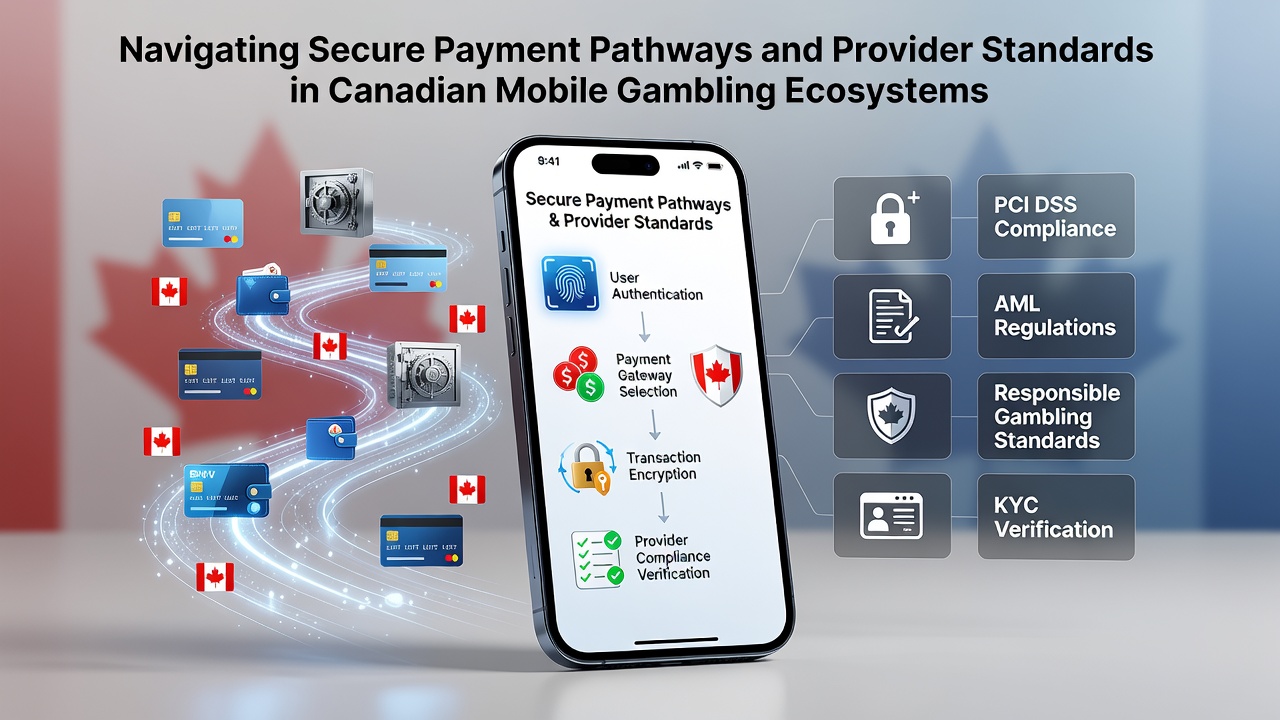
Navigating Secure Payment Pathways and Provider Standards in Canadian Mobile Gambling Ecosystems
Regulatory Landscape Across Provinces
Canadian mobile gambling operates under provincial jurisdiction so payment pathways must align with rules set by bodies such as the Alcohol and Gaming Commission of Ontario and equivalent authorities in British Columbia and Quebec, while data indicates that Interac e-Transfers and certified digital wallets remain the dominant methods because they integrate directly with domestic banking rails and satisfy anti-money laundering requirements enforced by FINTRAC.
Operators licensed after the 2022 Ontario market launch must route all transactions through providers that hold PCI DSS Level 1 certification, and researchers at Canadian universities have documented how these standards reduce fraud incidents by requiring tokenization and end-to-end encryption on every mobile session.
Payment Methods and Provider Requirements
Players access funds through a combination of credit cards, prepaid vouchers, and bank transfers, yet only those processors that maintain real-time monitoring for suspicious patterns receive approval from provincial regulators, and figures reveal that transaction volumes in Ontario alone exceeded CAD 2.8 billion during the 2025 fiscal year.
Industry reports show that e-wallet providers undergo annual audits covering data residency rules that keep Canadian player information within national borders, while operators that fail to meet these benchmarks face license suspension.
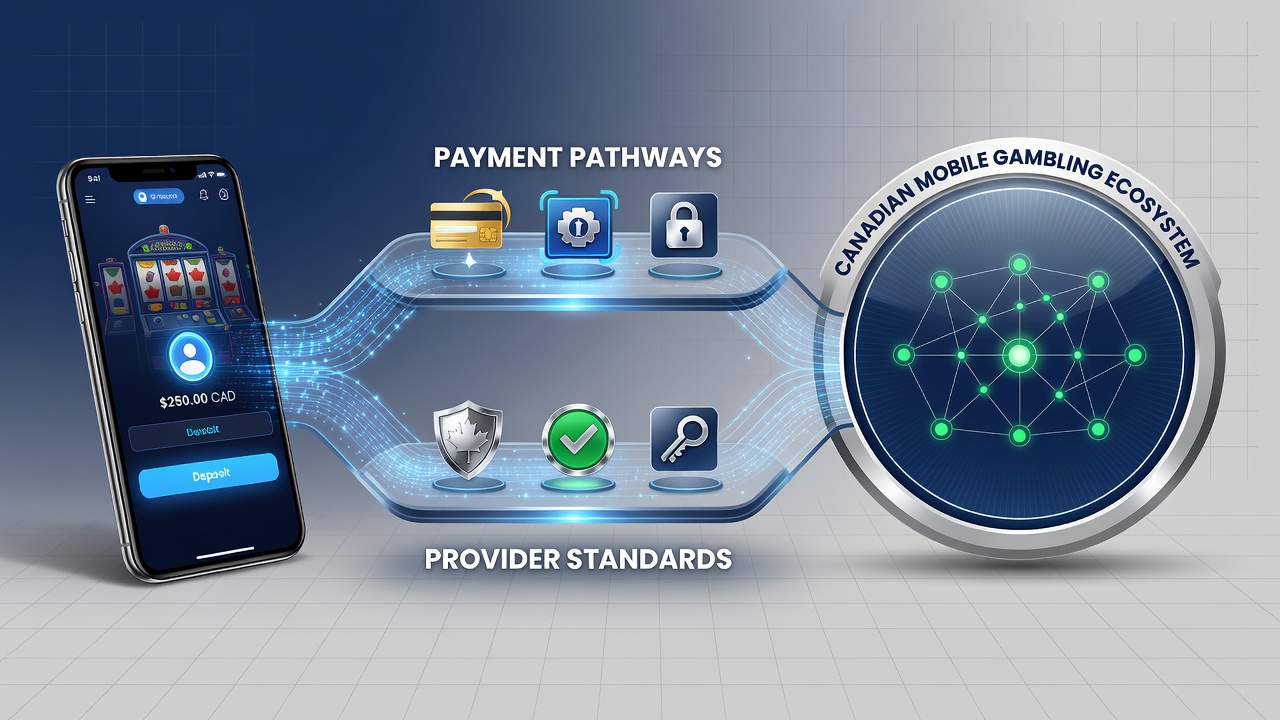
What's interesting is how smaller regional banks have partnered with licensed gambling platforms to offer instant deposits, and those partnerships require the banks to adopt the same cryptographic protocols used by larger institutions.
Security Protocols in Mobile Environments
Mobile applications encrypt data both in transit and at rest using TLS 1.3 alongside device-specific biometric authentication, and experts note that this layered approach addresses vulnerabilities unique to smartphones such as session hijacking and malware interception.
According to standards published by the Canadian Gaming Association, every approved app must complete penetration testing every six months, while geofencing technology ensures that transactions originate only from within provincial boundaries.
Those who've studied implementation timelines know that updates scheduled for August 2026 will introduce mandatory multi-factor authorization for withdrawals above CAD 5,000, and the change aligns with emerging federal guidelines on digital identity verification.
Compliance Challenges and Monitoring
Cross-border payment attempts trigger automatic blocks enforced by geolocation services, yet operators continue to refine these systems because research indicates that sophisticated VPN usage remains a persistent concern across the sector.
Provincial regulators share transaction data through secure portals managed by the Canadian Centre for Cybersecurity, and this collaboration allows rapid identification of patterns that could signal money laundering or underage access.
Observers note that providers who achieve SOC 2 Type II certification gain faster approval for new payment features, and the process typically includes review of server infrastructure located inside Canada.
Emerging Technologies and Standards Evolution
Stablecoin pilots have begun under controlled regulatory sandboxes in Ontario, and early results show reduced settlement times when paired with existing banking partners, while similar trials in other provinces await legislative approval.
Data from industry associations reveals that adoption of open banking frameworks will expand deposit options by the end of 2026, and these frameworks require explicit consumer consent at each step of the transaction flow.
But here's the thing: every new technology must still satisfy the core requirement that all player funds remain segregated from operational accounts, a rule enforced uniformly across licensed jurisdictions.
Conclusion
Secure payment pathways in Canadian mobile gambling ecosystems depend on coordinated provincial oversight, rigorous provider certification, and continuous technical upgrades that respond to both regulatory changes and evolving threat landscapes, and the standards scheduled for August 2026 represent the next incremental step in that ongoing process.